Joylife Nutripharma Inc

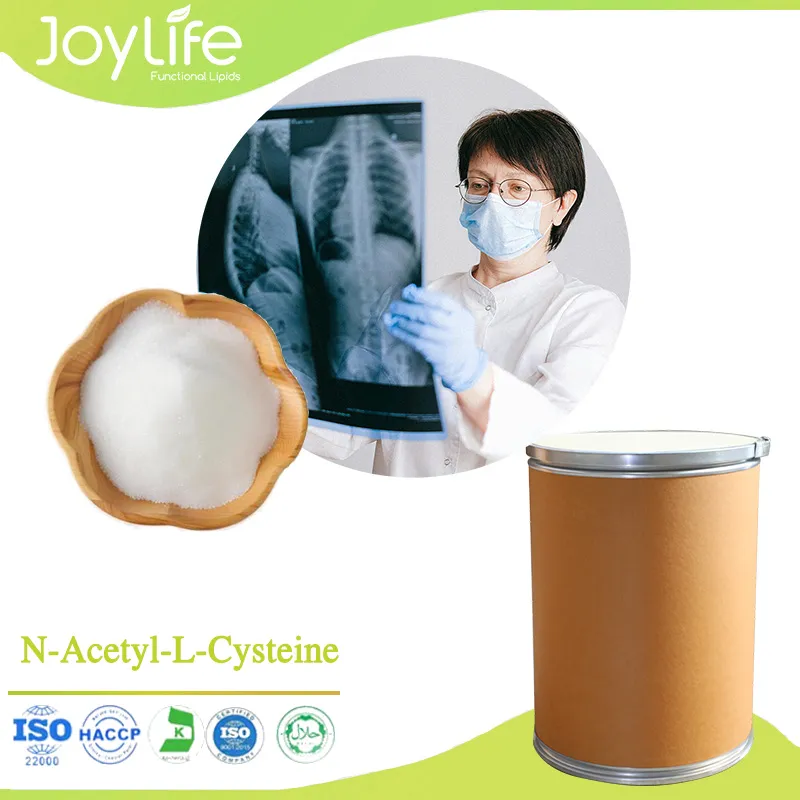
N-Acetyl-L-Cysteine

N-Acetyl-L-Cysteine,CAS 616-91-1,N-Acetyl-L-Cysteine (NAC),amino acid cysteine,amino acid,
N-Acetyl-L-Cysteine (NAC)

N-Acetyl-L-Cysteine

CSA: 616-91-1

In stock

Product Name: N-Acetyl-L-Cysteine

Assay: ≥98.0%
Molecular Formula: C5H9NO3S
Grade:AJI92/USP28/EP5/FCCIV
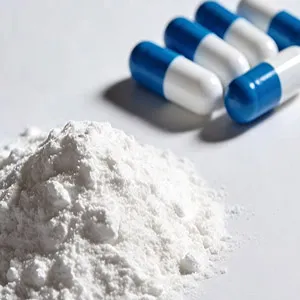
Color:White crystalling powder or white crystals

MOQ: 25KG
Packing:25kg/drum,25kg/carton

Certificates: FSSCC,ISO,KOSHAR, HALAL.

Supplier: Joylife Nutripharma Inc

E-mail: sales1@joylifenutripharma.com

Whatsapp: +8615084905292

  1. Product Info
  2. Application
  3. FAQs

Product Overview

N-Acetyl-L-Cysteine (NAC) is a modified form of the amino acid L-cysteine. It is a stable compound that serves as a precursor to glutathione, one of the body's most important endogenous antioxidants. NAC is a versatile compound whose core function is to boost glutathione, leading to its primary applications in detoxifying the liver from poison overdose and thinning respiratory mucus, with expanding roles in mental health and oxidative stress management.

Industrial synthesis methods for N-Acetyl-L-Cysteine (NAC)

The core characteristics of the three main industrial synthesis methods for N-Acetyl-L-Cysteine (NAC) are as follows:

Method Name Main Starting Materials Core Synthetic Step Advantages Disadvantages / Challenges
Conventional Chemical Acylation Method L-cysteine hydrochloride, Acetic anhydride L-cysteine salt → (Chemical acylation) → NAC Mature and established process, most widely used, high yield (>80% possible) Uses significant organic solvents, generates saline wastewater, requires careful control of reaction conditions to minimize impurities
Traditional Electrochemical Reduction Method L-cystine L-cystine → (Acetylation) → Diacetyl-L-cystine → (Electrolytic reduction) → NAC Avoids metal reducing agents (e.g., zinc powder), more environmentally friendly Early use of lead cathodes could cause pollution; complex separation and purification steps for the electrolyte
Novel Green Electrochemical Method L-cystine L-cystine → (Acetylation) → Diacetyl-L-cystine → (Carbon cathode electrolytic reduction + Electrodialysis desalination) → NAC Environmentally friendly: no heavy metal pollution, minimal solvent use, low waste emission; Efficient: short steps, mild conditions, high product quality Relatively new process; production equipment differs from traditional chemical plants

Sample Specification

Pls feel free to contact us to get Standard COA & Specification of N-Acetyl-L-Cysteine.

Items Specifications
Appearance White crystals or crystalline powder
Identification Meet the requirements
Specific rotation [a]²⁰ +21.3° ~ +27.0°
State of solution ≥98.0%
Chloride (Cl) ≤0.04%
Ammonium (NH₄) ≤0.02%
Sulfate (SO₄) ≤0.030%
Iron (Fe) ≤20ppm
Heavy metals (Pb) ≤10ppm
Arsenic (As₂O₃) ≤1ppm
Other amino acids Chromatographically not detectable
Loss on drying ≤0.5%
Residue on ignition ≤0.20%
Assay 98.5 ~ 101.0%
pH 2.0 ~ 2.8
Melting point 106 ~ 110℃

General Health & Wellness Supplementation

1. Antioxidant Support: Used to support overall antioxidant defenses, particularly in conditions associated with oxidative stress.

2. Liver Support: Promoted for general liver health and detoxification support.

3. Fertility (PCOS): May improve ovulation and metabolic parameters in women with Polycystic Ovary Syndrome.

4. Renal Protection: Studied for its potential to protect kidneys from contrast dyes used in imaging

Medical Applications

1. Acetaminophen (Paracetamol) Overdose Antidote: This is its primary and most critical FDA-approved medical use. NAC replenishes glutathione stores in the liver, which are depleted when metabolizing high doses of acetaminophen. This prevents liver necrosis and failure.
2. Respiratory Mucus Clearance: Breaks disulfide bonds in mucus proteins (mucolytic).

Common Dosage Forms of N-Acetyl-L-Cysteine

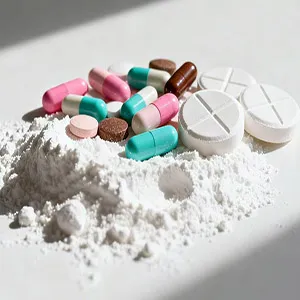
1. Tablets/Capsules: The most common over-the-counter form. Effervescent tablets are also popular, as they dissolve in water, which can help with hydration and absorption.
2. Powder/Sachets: Offer dose flexibility and are often mixed into drinks.
3. Liquid (Oral Solution): Used for both acetaminophen overdose (when IV is not available) and as a mucolytic, especially for those who have difficulty swallowing pills.
What'sapp

What'sapp

E-mail

E-mail

Wechat

Wechat

wechat
Quick Quoto

Quick Quoto