|
Feature
|
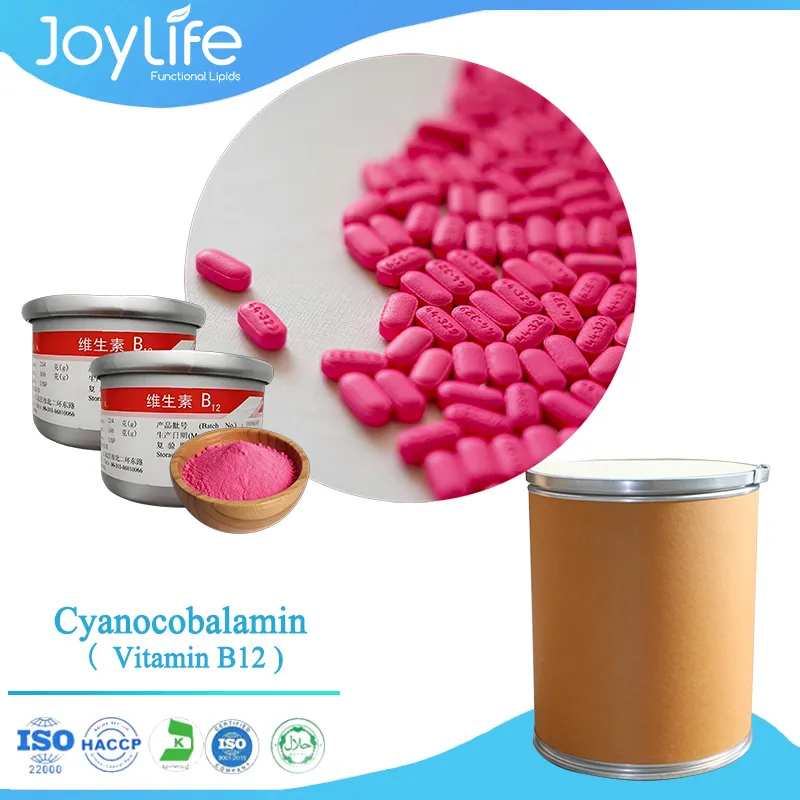
Cyanocobalamin
(VB12)
|
Hydroxocobalamin
(Hyclate, Acetate)
|
Methylcobalamin
|
|
Source
|
Synthetic. Not found in meaningful amounts in nature.
|
Natural. The primary form found in food (e.g., meat, fish) and the
form bound to proteins in your body.
|
Natural. One of the two active coenzyme forms present and used in
human metabolism.
|
|
Core Difference
|
A
stable, manufactured precursor. The body must convert it.
|
The
natural transport and storage form. A precursor to the active forms.
|
An
active, ready-to-use coenzyme.
|
|
What's Attached to Cobalt
|
A
cyanide molecule (trace, non-toxic amount).
|
A
hydroxyl (OH) molecule.
|
A
methyl (CH₃) group.
|
|
Stability & Shelf Life
|
Very
high. Excellent for fortifying foods and making
cheap, stable pills.
|
High. Stable for injections and storage.
|
Lower. Can degrade more easily in supplements, especially when
exposed to light.
|
|
Primary Medical Use
|
•
Standard, low-cost oral supplements.
• Fortified foods (cereals, plant milks)
• Some injectable formulas.
|
The
gold standard for injectable treatment of B12
deficiency (especially in the EU/UK). Also used to treat cyanide poisoning.
|
•
Available as a high-end oral supplement ("active" or
"methylated" B12).
• Used in some injectables, especially where a neurological issue is
suspected.
|



 Language
 Promoting Items
 Oils & Fat Powder
 Herbal Extracts
 Protein & Peptide
 Excipients
 Vitamins
 Amino Acids
 Minerals
 Brain Health
 Bone & Joint
 Skin & Anti-aging
 Eye Health
 Heart & Blood
 Liver & kidney
 Digestive & Weight
 Immunity





 English
 Español
 한국어
한국어 اللغة العربية