Joylife Nutripharma Inc

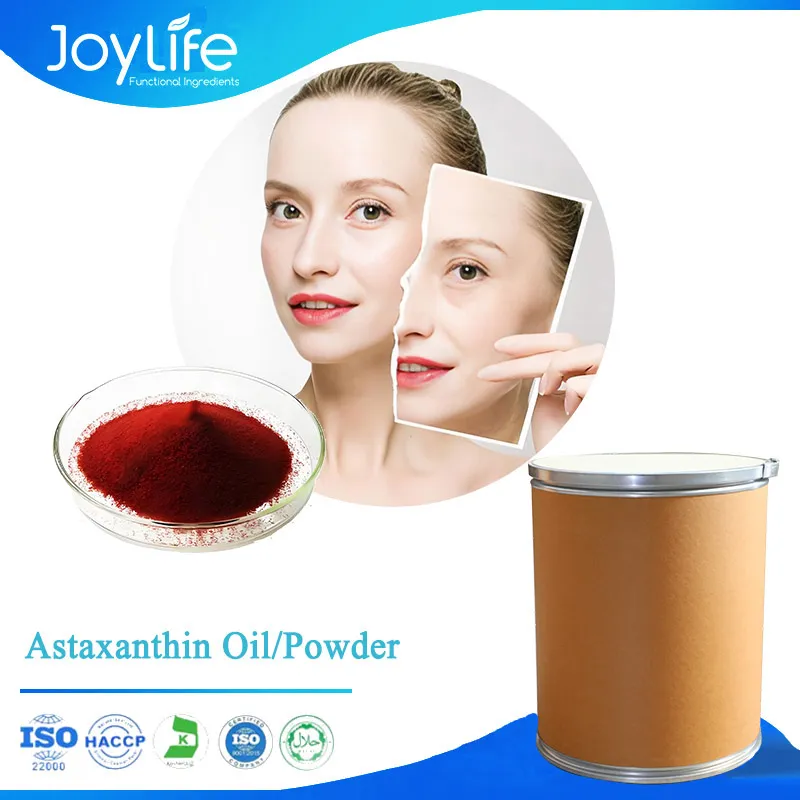
Astaxanthin 2%~20%

Astaxanthin factory,natural Astaxanthin oil,natural astaxanthin powder,astaxanthin oil 10% HPLC
Astaxanthin HPLC/UV 2%~20%

Astaxanthin 2%~20%

CAS: 472-61-7

In stock

Product Name: Astaxanthin

Assay: HPLC/UV 2%,3% powder;5%,10%,20% oil

Source: Haematococcus pluvialis

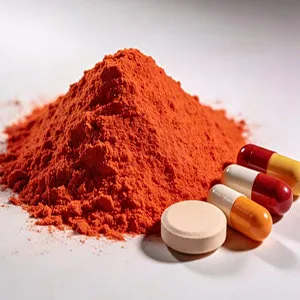
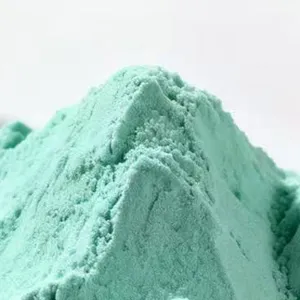
Color: dark red powder or oil

Packing: 1Kg or 5Kg/Bag for powder; 1Kg or 5Kg/ Tin for oil

Certificates: ISO, FSSC, Kosher, USGMP, US-GRAS, Novel Food

Main Function: Antioxidant, Epidemic and Anti-Inflammation

Application: Supplements, food &beverage, cosmetics, Aquatic feed

Supplier: Joylife Nutripharma Inc

E-mail: sales1@joylifenutripharma.com

Whatsapp: +8615084905292

  1. Product Info
  2. Application
  3. FAQs

Product Overview

(1) Natural astaxanthin oil 5%,10%,20% HPLC or UV

It is a reddish or dark red oily liquid with a slight seaweed smell, obtained from Haematococcus pluvialis through fully automated alcohol extraction and supercritical CO2 extraction.

It is mainly used in dietary supplements, nutrition products, health products, and cosmetics.


(2) Natural astaxanthin microcapsule powder 2%,2.5%,3% HPLC or UV

It is a reddish or dark red powder with good flowability and a slight seaweed odor. It’s made by mixing Haematococcus pluvialis astaxanthin oil with excipients, then spray-drying it after microencapsulation. 

It’s mainly used in dietary supplements, nutrition products, health products, and beverages.

Main benefits of astaxanthin

1.Strong Antioxidant:With a conjugated double-bond structure, it clears free radicals; can cross cell membranes, penetrate the blood-brain barrier and retina, with antioxidant ability significantly stronger than VE, β-carotene, and Coenzyme Q10.

2.Eye Protection:Relieves eye fatigue, protects the retina, guards against blue light damage, a popular direction in health supplements.

3.Skin Anti-Photoaging:Fights oxidative damage from UV, improves skin aging from oxidation, can be taken orally or used in cosmetics.

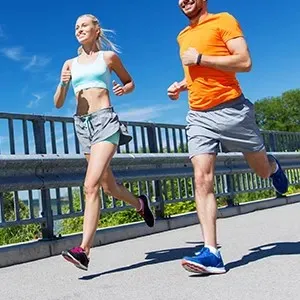
4.Immune and Anti-Inflammatory:Reduces oxidative stress, helps improve oxidative damage after exercise.

5.Aquaculture:Enhances color and stress resistance in aquatic animals, improves fish and shrimp coloration and survival rates, the largest application in feed.


*Statement: The above lists the effects of the raw materials according to references and do not constitute medical claims.

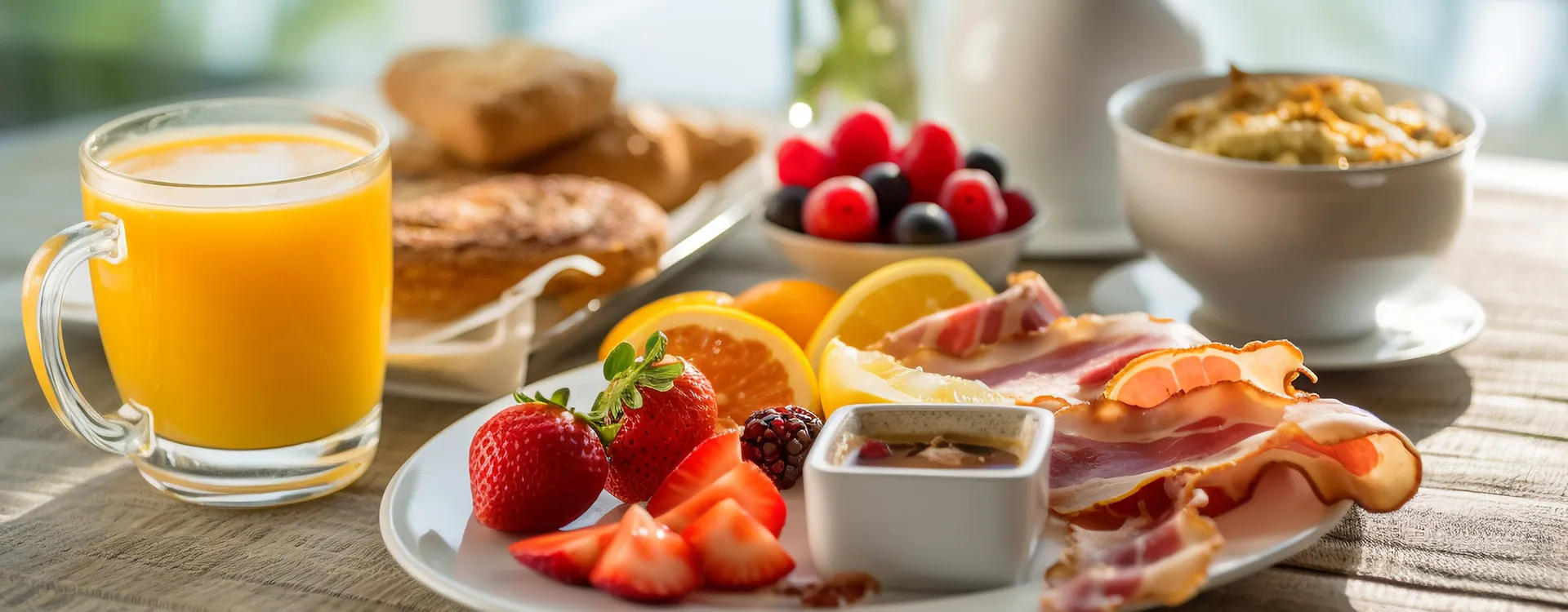
Health food / dietary supplements

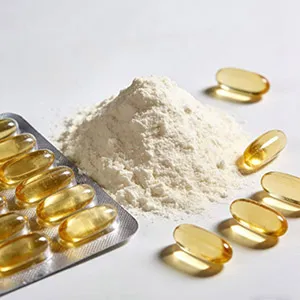
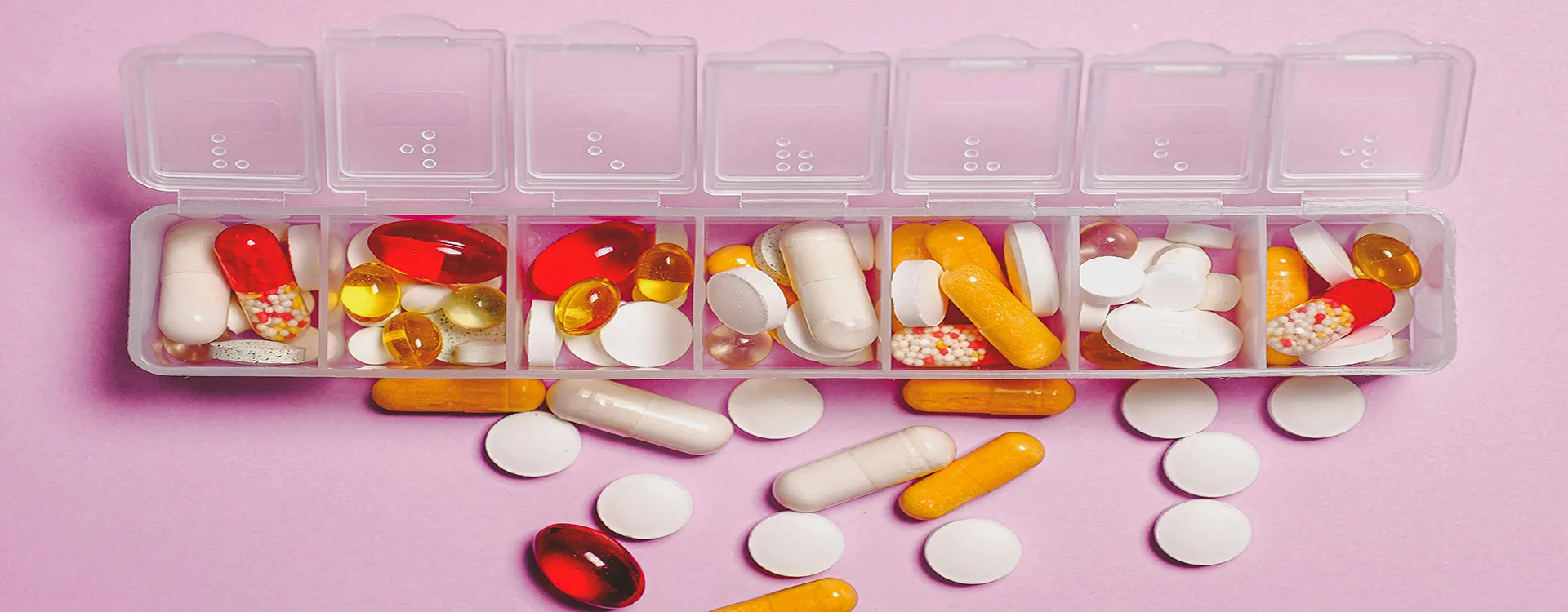
Astaxanthin can be produced into soft capsules, hard capsules, tablets, gummies;

And it is mainly aimed at eye care, antioxidation, and anti-aging beauty supplements.

Food & Beverage

Astaxanthin can be used in solid drinks, functional candies, baking (microencapsulated powders improve water solubility)

Cosmetics

The microencapsulated astaxanthin powder be more often used for serum, face cream, face mask as a kind of antioxidant and anti-photoaging, 

Aquatic animal feed (largest market)

Astaxanthin powder can be used for Aquatic animal feed of Salmon, shrimp and crabs, ornamental fish coloring

and its main function is stress resistance.

Pet Nutrition

Astaxanthin can be used for pet supplements for shiny fur and antioxidants
  • What's the solubility and storage condition of astaxanthin

      The Astaxanthin is fat-soluble, sensitive to light, oxygen, and high temperatures, needs to be stored in a cool, dark place

  • Mainstream production process of Astaxanthin?

      Route 1:Natural Extraction from Haematococcus Pluvialis (Mainstream Domestic Food-Grade)

      (1) Algae Cultivation  
      Open Raceway Ponds: low cost, but easily contaminated by other algae;  
      Closed Photobioreactors: stable batches, higher astaxanthin accumulation in algal cells, mainstream solution among leading companies, often using a 'closed-pipe + open-pond dual-mode cultivation' approach.  
      Strong light and nutrient stress induce algae cells to produce large amounts of astaxanthin.
      (2) Harvested, centrifuged, and spray-dried to obtain Haematococcus pluvialis powder.  
      (3)Cell Disruption: high-pressure homogenization or air-flow disruption; disruption rate determines extraction yield.  
      (4)Extraction :Supercritical CO₂ low-temperature extraction (mainstream among top players): no solvent residues, low-temperature preserves activity, high product quality, but requires huge equipment investment.  
      Organic Solvent Extraction (ethanol / n-hexane): low cost, requires strict solvent residue control, mainly used by small and medium factories.  
      (5) Purification: molecular distillation to get astaxanthin oil; can also be microencapsulated to make water-soluble microencapsulated astaxanthin powder to improve stability and be used in water-based formulations.

      Route 2:Red Yeast Fermentation Process (mainly feed grade)  
      Strain activation → deep liquid fermentation tank cultivation → centrifuge to collect cells → drying and cell disruption → solvent extraction → concentration to get astaxanthin oil/powder; advantage: not affected by light or climate, stable production capacity, but the active configuration is not as good as algal source.

      Route 3:Chemical Synthesis  
      Chemical raw materials are synthesized via Wittig reaction, lowest cost; mixed isomers, mainly used in aquaculture feed in China, not suitable for direct use in health supplements.

      Industry Trend:For food and health supplements, purchasers prefer Haematococcus pluvialis products extracted by supercritical CO₂; demand for microencapsulated powder is rising year by year.

What'sapp

What'sapp

E-mail

E-mail

Wechat

Wechat

wechat
Quick Quoto

Quick Quoto