Joylife Nutripharma Inc

Vitamin C Series

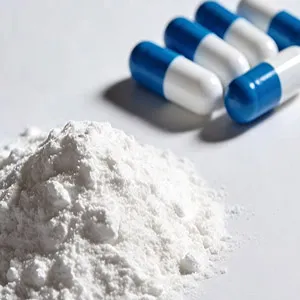
Vitamin C,Ascorbic acid 98%,VC coated,VC 35% granular,Luwei VC,Vitamin C from CSPC,Vitamin C powder,L Ascorbic acid
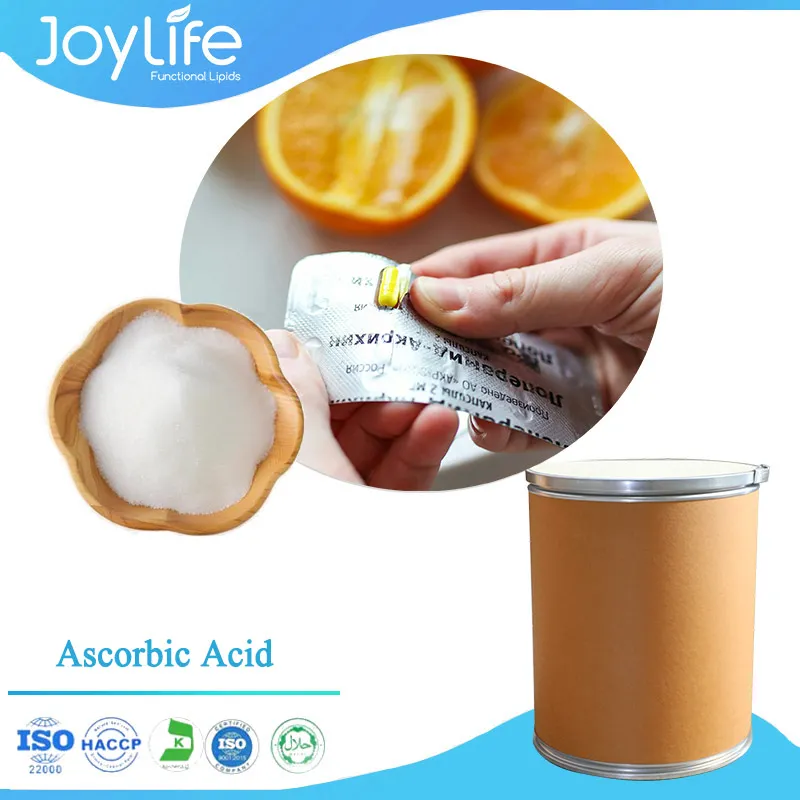
ascorbic acid

Vitamin C Series

CSA: 50-81-7

In stock

Product name: Vitamins C/Ascorbic Acid
Assay: ≥99%
Standard: USP/BP
Color: white powder
Packing: 25kg/Carton
MOQ: 25Kg
Loading Qty: 18mt/20GP with Pallets, 22mt without pallets
Certificates: GMP,ISO,Halal,Kosher…

Supplier: Joylife Nutripharma Inc

E-mail: sales1@joylifenutripharma.com

Whatsapp: +8615084905292

  1. Product Info
  2. Application
  3. FAQs

Product Overview

Introduction of Vitamin C

Vitamin C, also known as ascorbic acid, is a water-soluble vitamin and a potent antioxidant. It is essential for human health, but the human body cannot produce or store it. Vitamin C is a vital nutrient and antioxidant that supports the immune system, helps in collagen production for healthy skin, and aids in the absorption of iron from plant-based foods.

Related Derivatives

Feature Ascorbic Acid (Powder) Vitamin C Sodium
(Sodium Ascorbate)
Vitamin C Calcium
 (Calcium Ascorbate)
Vitamin C Coated
(e.g., Ethylcellulose)
Vitamin C Phosphate 35%
(Magnesium Ascorbyl Phosphate - MAP)
Chemical Form Pure L-Ascorbic Acid Sodium salt of ascorbic acid Calcium salt of ascorbic acid Ascorbic Acid with a protective coating Magnesium salt of ascorbyl phosphate
Active Vitamin C Content Very High (~99%) ~90% (10% is sodium) ~82% (18% is calcium) Varies, but core is ~99% ascorbic acid ~35% (by weight; requires enzymatic conversion in the body/skin to free ascorbic acid)
Primary Applications 1. Supplements (tablets, capsules for cost-effectiveness).
2. Food/Drink Fortification (where acidity is acceptable).
1. Effervescent tablets (neutral pH is key).
2. Gentle supplements for those with GI sensitivity.
3. IV solutions.
1. Gentle supplements (especially marketed as "buffered C" or "Ester-C® type").
2. Formulations targeting bone/joint health.
Used universally in swine, poultry, ruminant, and pet feed where thermal processing is involved.  Premium feeds, high-mineral premixes, and especially Aquaculture (shrimp & fish feed) where leaching in water is a major concern

Sample Specification

Pls feel free to contact us to get Standard COA & Specification of Vitamin C.

Test Items Standard
Characteristics White or almost Whitecrystals Crystalline  Powder
Identification Positive Reaction
Melting Point About 190℃
PH(5% aqueous solution) 2.1-2.6
Clarity Of Solution Clear
Colour  Of Solution ≤BY7
Copper ≤5ppm
Heavy Metals ≤10ppm
Mercury <0.1mg/kg
Lead <2mg/kg
Arsenic ≤2ppm
Oxalic Acid ≤0.2%
Iron ≤2ppm
Impurity E ≤0.2%
Loss on Drying ≤0.4%
Sulphate Ash(Residue  On Ignition) ≤0.1%
Specific Optical Rotation +20.5°–+21.5°
Organic Volatile Impurities Pass
Assay 99.0% -100.5%
Total plate count ≤1000cfu/g
Yeasts & molds ≤100cfu/g

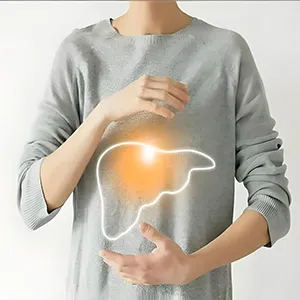
Pharmaceuticals & Human Health

1. Antioxidant Protection: Neutralizes free radicals in the body, potentially reducing oxidative stress linked to chronic diseases.

2. Collagen Synthesis: Essential for the production of collagen, which is vital for skin, blood vessels, bones, cartilage, and wound healing. This is why it's often recommended post-surgery or for skin health.

3. Enhancing Iron Absorption: Ascorbic acid significantly increases the absorption of non-heme iron (from plant sources) in the gut, making it a key companion to iron supplements or iron-rich meals.

Skincare & Cosmetics

1. L-Ascorbic Acid: The gold standard, most potent but also most unstable (oxidizes quickly). Requires low-pH formulations.

2. Sodium Ascorbyl Phosphate (SAP), Magnesium Ascorbyl Phosphate (MAP), Ascorbyl Glucoside: Water-soluble derivatives. They are more stable and convert to ascorbic acid in the skin. Gentler and suitable for more product formulations.

3. Tetrahexyldecyl Ascorbate: A fat-soluble, highly stable derivative that penetrates the skin deeply. Common in oils and serums.

4. Ethylated Ascorbic Acid (3-O-Ethyl Ascorbate): A very stable, oil-soluble derivative known for its brightening effects.

Food & Beverage Industry

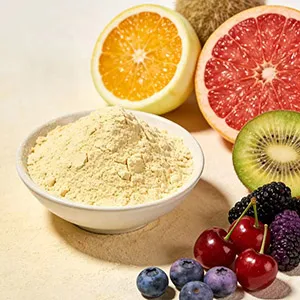
1. Nutritional Fortification: Added to juices, cereals, dairy products, and infant formula to restore nutrients lost in processing or to enhance nutritional value.

2. Antioxidant Preservative (E300, E301, etc.): Prevents oxidative browning, discoloration, and rancidity by scavenging oxygen.

Animal Nutrition

1. Aquaculture: Critically added to feed for farmed fish (like salmon and trout) as they cannot synthesize it. Deficiency causes scoliosis and reduced disease resistance.

2. Livestock & Poultry: Supplemented during periods of stress (weaning, heat, disease) to support immunity and growth. Also improves meat quality and shelf life.

3. Pets (Dogs & Cats): Added to premium pet foods and supplements for immune support, collagen formation (joint health), and as an antioxidant. Cats can synthesize it, but dogs benefit from supplementation.

What'sapp

What'sapp

E-mail

E-mail

Wechat

Wechat

wechat
Quick Quoto

Quick Quoto